SPRING SALADS SUNSHINE IN A BOWL
A proper spring salad is more than just a bowl of greens; it’s a celebration of the earth waking up. It captures that brief, magical time when everything is tender, crisp, and bursting with a gentle, clean flavor. This isn’t about heavy dressings or a jumble of ingredients, but about letting the delicate flavors of the season—the snap of a fresh pea, the peppery bite of a radish, the whisper of fresh herbs—truly shine.
What we are creating here is a symphony of textures and tastes that feels like sunshine in a bowl. It’s light yet satisfying, simple yet elegant, and comes together so quickly you’ll wonder why you ever bought a pre-made mix. This is the kind of salad that can stand proudly on its own for a light lunch or serve as the perfect, vibrant beginning to a more substantial meal.
Why This Method Works
- Dry Greens are Happy Greens: Water is the enemy of a crisp salad. We insist on drying the lettuce thoroughly because dressing clings to dry leaves, it doesn’t slide off into a watery puddle at the bottom of the bowl.
- Layering for Texture: A great salad has variety in every bite. We build it in layers—tender leaves, crunchy vegetables, soft cheese, and toasted nuts—so you never get a boring mouthful.
- The Vinaigrette is Key: A homemade vinaigrette takes 60 seconds and is worlds better than anything in a bottle. Balancing the acid (lemon) with fat (oil) and a touch of sweetness is the simple secret to a dressing that enhances, not overpowers.
Gather Your Ingredients
The beauty of a spring salad lies in its simplicity and freshness. Use the best-quality ingredients you can find; their flavors are the star of the show. This is less of a strict recipe and more of a guide to assembling the season’s best.- Mixed Spring Greens: 5 ounces of a tender mix, like butter lettuce, baby spinach, and oak leaf. (This is the delicate foundation; avoid tough greens like kale here).
- Asparagus: 1/2 bunch, tough ends snapped off. (Look for thin, crisp stalks; they are the most tender and require minimal cooking).
- Fresh or Frozen Peas: 1 cup. (They provide a sweet, starchy pop that is the essence of spring).
- Radishes: 4-5, thinly sliced. (For a peppery, crunchy bite that cuts through the richness of the dressing).
- Feta Cheese: 1/2 cup, crumbled. (Its salty, briny flavor provides a perfect contrast to the sweet vegetables).
- Toasted Nuts or Seeds: 1/4 cup, such as sliced almonds, pistachios, or sunflower seeds. (Toasting brings out their flavor and adds a necessary crunch).
- Extra-Virgin Olive Oil: 1/4 cup. (This is the backbone of your dressing, so use a good, flavorful one).
- Fresh Lemon Juice: 2 tablespoons. (Absolutely essential for brightness. Bottled juice simply won’t taste the same).
- Dijon Mustard: 1 teaspoon. (The emulsifier that holds your dressing together and adds a gentle tang).
- Honey or Maple Syrup: 1/2 teaspoon. (Just a touch to balance the acidity of the lemon).
- Salt and Freshly Ground Black Pepper: To taste.
Simple Swaps
Don’t have everything on hand? A salad is wonderfully flexible. Here are a few reliable substitutions.- For the Feta: Crumbled goat cheese or shaved Parmesan will work beautifully.
- For the Asparagus: Thinly sliced sugar snap peas or blanched green beans are excellent alternatives.
- For the Lemon Juice: Champagne vinegar or white wine vinegar can be used, but you may need a little extra honey to balance the flavor.
- For the Nuts: Any toasted nut or seed works. Walnuts, pecans, or even pumpkin seeds add great texture.
- For the Greens: Arugula can be used for a more peppery base, or use all baby spinach if that’s what you have.
Make It Your Own
Think of this recipe as a starting point. Once you master the basic balance of flavors and textures, you can adapt it in countless ways.One of my favorite ways to turn this into a complete meal is to add a few hard-boiled eggs. This transforms it into a high-protein vegetarian dish that is incredibly satisfying. It’s one of the best hard-boiled egg recipes because it feels light and fresh, a world away from a heavy Egg Curry, but still provides that substantial, nourishing quality. It’s a perfect strategy for creating budget meals that are also elegant.
For an Indian-inspired dinner twist, you could add a cup of chickpeas and swap the feta for paneer. Instead of the lemon vinaigrette, whisk together plain yogurt with a pinch of cumin, coriander, and a squeeze of lime. It’s a lovely, cooling salad that offers a different experience from a traditional warm vegetarian curry with a rich tomato gravy.
You can also add a cup of cooked and cooled grains like quinoa or farro to make it heartier. Or, for a touch of sweetness, toss in a handful of fresh strawberries or blueberries. The key is to maintain the balance of tender, crisp, soft, and crunchy.
Step-by-Step Instructions
The process is simple and straightforward. The most important part is the preparation, or what the French call the *mise en place*. Get everything ready before you start assembling.1. Prepare the Vinaigrette
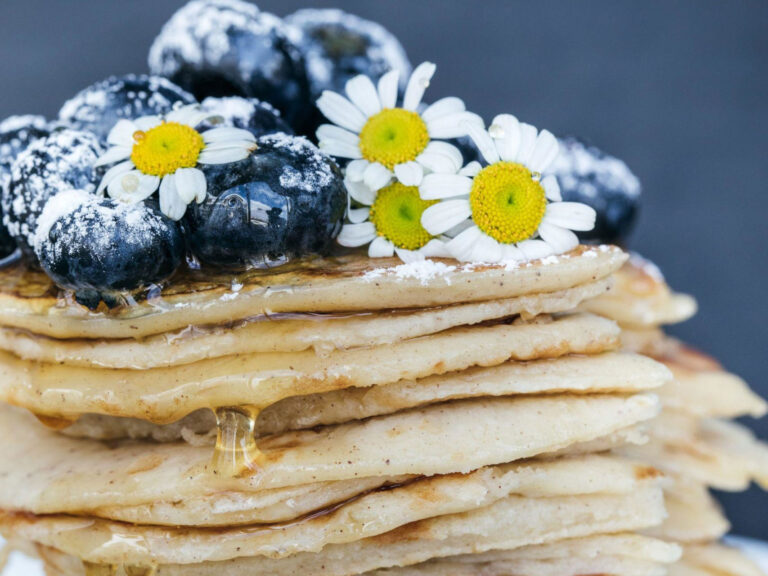
In a small bowl or a glass jar with a lid, combine the olive oil, fresh lemon juice, Dijon mustard, and honey. Whisk vigorously or shake the jar until the dressing is creamy and emulsified. Season with a pinch of salt and a few grinds of black pepper.Taste your dressing! This is the most important step. Does it need more salt? A little more lemon? Adjust it until it tastes bright and balanced to you. Set it aside while you prepare the rest of the salad. The fresh lemon in this dressing is so versatile; it’s the same secret ingredient that makes my Blueberry Buttermilk Pancakes so light and fluffy.
2. Blanch the Vegetables
Bring a small pot of salted water to a boil. Prepare a bowl of ice water and set it nearby. Add the asparagus to the boiling water and cook for just 60-90 seconds, until it turns bright green and is tender-crisp. Using a slotted spoon, immediately transfer the asparagus to the ice water to stop the cooking process. This is called “shocking,” and it keeps the vegetables vibrant and crisp.Once the asparagus is cool, remove it from the ice bath and pat it dry. Cut it into bite-sized pieces. If you are using fresh peas, you can blanch them in the same water for about 60 seconds. If using frozen, there’s no need to cook them; simply let them thaw.
3. Assemble the Salad
In a large salad bowl, combine the spring greens, the blanched and chopped asparagus, the peas, and the thinly sliced radishes. This is the base of your salad.Gently toss the ingredients together so they are evenly distributed. You want a little bit of everything in each forkful.
4. Dress and Serve Immediately
Right before you are ready to serve, drizzle about half of the vinaigrette over the salad. Use your hands or salad tongs to gently toss everything together, ensuring every leaf is lightly coated. Don’t drown your beautiful greens! You can always add more dressing, but you can’t take it away.Transfer the salad to a serving platter or individual bowls. Sprinkle the crumbled feta and toasted nuts over the top. This ensures they stay crunchy and visible. Serve immediately and enjoy the fresh taste of spring.
Notes from My Kitchen
Over the years, I’ve learned a few things that guarantee a perfect salad every time. These little details make all the difference.- Don’t Dress in Advance: This is the number one rule of salads. Dressing the greens too early will cause them to wilt and become soggy. Always, always dress the salad just before it hits the table.
- Season Your Greens: Before you even add the dressing, sprinkle a tiny pinch of fine sea salt over your greens. It sounds simple, but it helps to bring out their natural flavor and makes the entire salad taste more seasoned.
- Make Components Ahead: For an easy weeknight dinner, you can do most of the work in advance. The dressing can be made and stored in the fridge for up to a week. The vegetables can be blanched and the nuts toasted a day or two ahead. Then, assembly takes only a minute.
- Taste Everything: Taste your greens, taste your vegetables, and most importantly, taste your dressing. A great dish is built on layers of well-seasoned components. After a healthy meal like this, you’ve definitely earned a treat like a perfect Chocolate Chip Cookie!
Perfect Pairings
This salad is wonderfully versatile. For a light lunch, it is perfect all on its own with a slice of crusty bread to mop up the extra vinaigrette.As a side dish, it brings a fresh, bright contrast to richer main courses. It’s absolutely lovely alongside grilled chicken, seared salmon, or a beautiful steak. It also pairs wonderfully with heartier fare, cutting through the richness of a cheesy Bbq Chicken Pizza or a juicy Smoky Chipotle Burger Patties.
If you’re planning a spicy dinner recipe, this salad can act as a wonderful cooling element on the table, offering a refreshing break from the heat.
Know someone who loves Spring Salads? Share this recipe with them
Why is it so important to dry the lettuce thoroughly before making a salad?
It’s essential to dry your greens because dressing clings much better to dry leaves. If the greens are wet, the vinaigrette will slide off and pool at the bottom of the bowl, preventing the salad from being properly coated and crisp.
How can I make this spring salad more filling to serve as a main course?
To turn this salad into a more substantial meal, you can add protein like hard-boiled eggs or chickpeas. You can also make it heartier by mixing in a cup of cooked and cooled grains, such as quinoa or farro.
Can I prepare this salad ahead of time?
You should not dress the salad in advance, as it will cause the greens to wilt. However, you can prepare the components ahead of time. The vinaigrette can be made and stored in the fridge for up to a week, and the vegetables can be blanched and nuts toasted a day or two in advance for quick assembly right before serving.
What are some good substitutions if I don’t have feta cheese or asparagus?
The recipe is very flexible. If you don’t have feta, you can use crumbled goat cheese or shaved Parmesan instead. For the asparagus, thinly sliced sugar snap peas or blanched green beans are excellent alternatives.
Sunshine Spring Salad with Lemon Vinaigrette
Ingredients
Equipment
Method
- Prepare the Vinaigrette: In a small bowl or a glass jar with a lid, combine the olive oil, fresh lemon juice, Dijon mustard, and honey. Whisk vigorously or shake the jar until the dressing is creamy and emulsified. Season with a pinch of salt and a few grinds of black pepper. Taste and adjust seasoning if necessary, then set aside.
- Blanch the Vegetables: Bring a small pot of salted water to a boil. Prepare a bowl of ice water. Add the asparagus to the boiling water and cook for 60-90 seconds until bright green and tender-crisp. Immediately transfer the asparagus to the ice water with a slotted spoon to stop the cooking. Once cool, remove, pat dry, and cut into bite-sized pieces. If using fresh peas, blanch them for 60 seconds in the same water. If using frozen peas, simply thaw them.
- Assemble the Salad Base: In a large salad bowl, combine the thoroughly dried spring greens, the blanched and chopped asparagus, the peas, and the thinly sliced radishes. Gently toss the ingredients together to distribute them evenly.
- Dress and Serve: Just before serving, drizzle about half of the vinaigrette over the salad. Gently toss with hands or salad tongs to lightly coat every leaf. Transfer the salad to a serving platter or individual bowls. Sprinkle the crumbled feta and toasted nuts over the top and serve immediately.